
Pischke Motors Nissan

Blog

Nissan Rogue vs Toyota RAV4: An Honest Comparison for Midwest Buyers

https://dealerinspire-image-library-prod.s3.us-east-1.amazonaws.com/images/rt8KyFZ1VTo3Xpj9qPLslx63d9YEOlyMdYBGQv1R.jpg
Written by Brett Kues Sales Director | 25+ Years in Automotive Retail Pischke Nissan – La Crosse, WI

The Short Answer

Both the Nissan Rogue and the Toyota RAV4 are strong compact SUVs.

  • The RAV4 has a longer reputation for long-term reliability.

  • The Rogue offers a quieter ride, stronger technology value, and competitive fuel efficiency.

  • For Wisconsin buyers, AWD performance, winter drivability, and ownership cost matter more than brand headlines.

The right choice depends on what you prioritize.

https://di-uploads-pod16.dealerinspire.com/toyotaofnorthcharlotte/uploads/2024/03/Toyota-RAV4-NC-.jpeg
https://wieck-nissanao-production.s3.amazonaws.com/photos/641ddf2ffea5c21d552bcdc4b01231d3a482cc5e/preview-928x522.jpg
4

1. Reliability

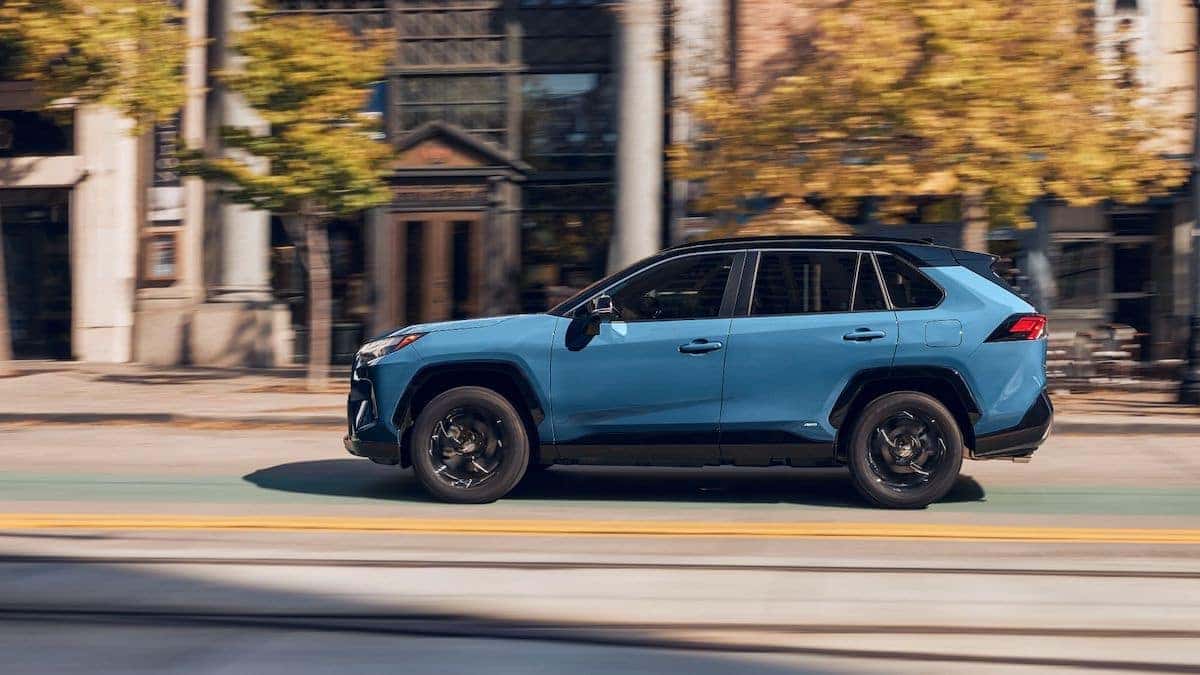
Toyota RAV4

  • Strong long-term reliability reputation

  • Naturally aspirated 2.5L engine

  • Traditional 8-speed automatic transmission

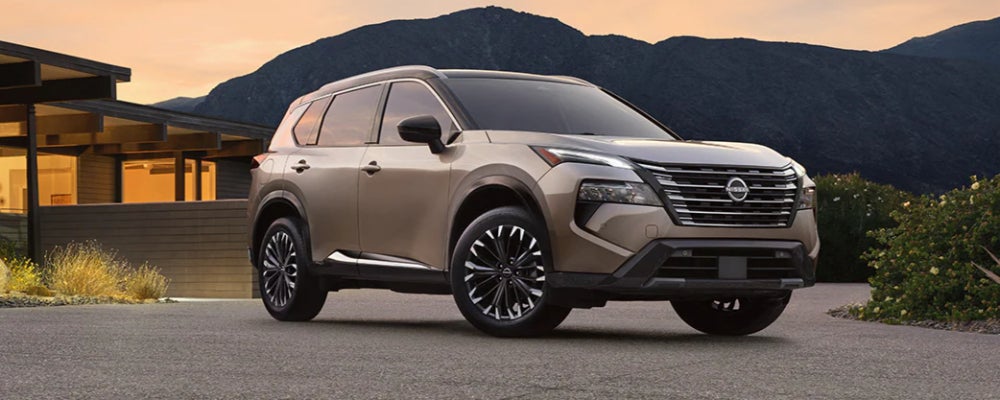
Nissan Rogue (2023+)

  • 1.5L VC-Turbo engine

  • Updated CVT with improved durability

  • Fewer reported CVT issues compared to older generations

Toyota still carries the stronger legacy perception.

However, current-generation Rogue reliability is significantly improved compared to pre-2019 Nissan models.

For 2023+ models, the gap is much narrower than online forums suggest.


2. Fuel Economy

ModelEstimated MPG (Gas AWD)
Rogue~28 city / 35 highway
RAV4~27 city / 34 highway

The Rogue slightly edges out the RAV4 in highway efficiency.

Both offer hybrid options, with Toyota’s hybrid system having a longer track record.


3. Ride Comfort & Interior

This is where many Midwest buyers notice a difference.

Rogue

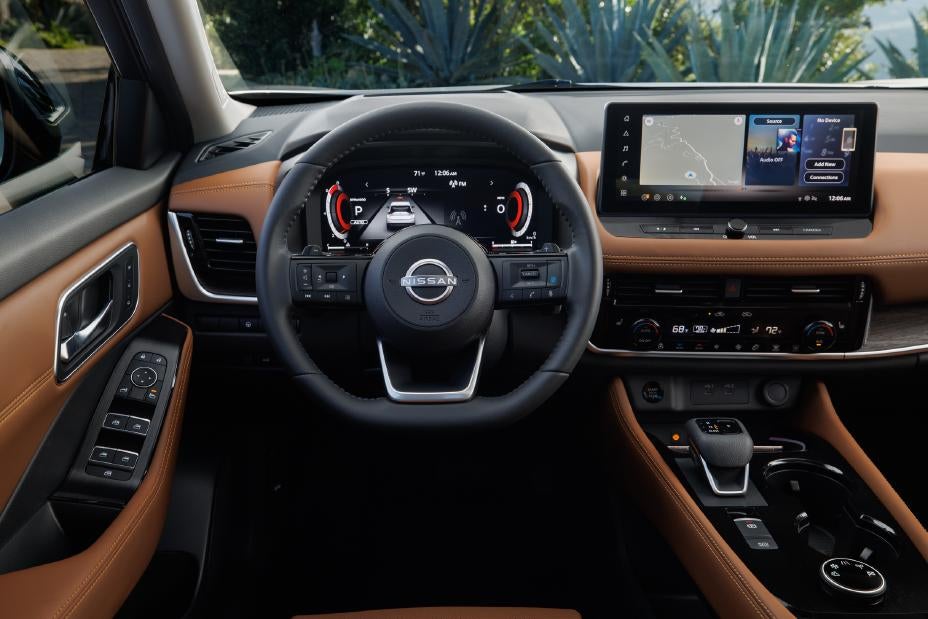
  • Smoother, quieter ride

  • Softer suspension tuning

  • More premium-feeling interior materials in comparable trims

RAV4

  • Firm ride

  • More utilitarian interior design

  • Durable but less refined feel

If you commute daily or drive long highway stretches, the Rogue often feels more composed.


4. AWD Performance in Wisconsin

Both offer capable AWD systems.

RAV4 AWD

  • Reliable

  • Proven

  • Available hybrid AWD system

Rogue Intelligent AWD

  • Automatically adjusts torque distribution

  • Performs well in snow

  • Works seamlessly in daily winter driving

For typical Wisconsin snow conditions, both perform well when equipped with proper tires.

Tires matter more than the badge.


5. Technology & Safety

Both vehicles offer:

  • Adaptive cruise control

  • Lane keeping assist

  • Blind spot monitoring

  • Apple CarPlay & Android Auto

In comparable trims, the Rogue often includes more standard features at a slightly lower price point.

Toyota’s systems are proven.

Nissan’s systems are competitive and intuitive.


6. Cost of Ownership

RAV4

  • Historically strong resale value

  • Higher initial pricing in many markets

  • Lower perceived long-term risk

Rogue

  • Often lower purchase price

  • Strong fuel efficiency

  • Competitive maintenance costs

If resale is your top priority, Toyota still leads.

If upfront value and feature content matter more, the Rogue can be compelling.


7. Pricing in Today’s Market

RAV4 demand often leads to:

  • Higher pricing

  • Less discount flexibility

  • Longer wait times on certain trims

Rogue inventory is typically more available, allowing:

  • More competitive pricing

  • Stronger lease programs

  • Greater selection flexibility

Market conditions shift, but historically Toyota commands a premium.


What We See in La Crosse

Common buyer patterns:

  • Toyota buyers prioritize reputation and resale.

  • Rogue buyers prioritize ride comfort, interior quality, and value.

  • Many customers are surprised how close the two vehicles feel in real-world driving.

The reliability gap between current-generation models is far smaller than many assume.


Which Should You Choose?

Choose the RAV4 if:

  • Long-term brand reputation matters most

  • You value strong resale history

  • You prefer traditional drivetrain design

Choose the Rogue if:

  • You want a smoother ride

  • You want strong technology value per dollar

  • You want competitive efficiency

  • You want availability and pricing flexibility

Both are good vehicles.

The difference comes down to priorities.


Frequently Asked Questions

Is the RAV4 more reliable than the Rogue?
Historically yes. In current-generation models, the reliability gap has narrowed significantly.

Does the Rogue’s CVT make it less reliable?
Modern CVTs (2020+) are improved compared to earlier generations.

Which is better in snow?
Both perform well with AWD and proper winter tires.

Which holds value better?
Toyota historically leads in resale value.


Final Take

The Rogue and RAV4 compete closely in today’s market.

Toyota carries long-standing brand strength.

Nissan offers strong value, improved reliability, and a more refined ride.

In Wisconsin conditions, maintenance history and tires matter more than internet reputation.


About the Author

Brett Kues is the Sales Director at Pischke Nissan in La Crosse, Wisconsin, with over 25 years in automotive retail leadership. He evaluates warranty trends, resale performance, and real-world ownership data to help customers make informed decisions based on facts rather than headlines.

Recommended Posts

Severe Service vs 10,000-Mile Oil Changes: What’s Right for Wisconsin Drivers?

Written by Brett Kues Sales Director | 25+ Years in Automotive Retail Pischke Motors – La Crosse, WI The Short Answer While many manufacturers advertise oil change intervals up to 10,000 miles, most Wisconsin drivers actually fall under “severe service” conditions — which often means changing oil closer to 5,000–7,500 miles. The right interval depends on how and where you drive. In cold climates with short trips, waiting 10,000 miles can increase long-term engine wear. What Is “Severe Service”? Most owner’s manuals define severe service as: Frequent short trips (under 10 miles) Cold weather driving Stop-and-go traffic Idling Towing or hauling Dusty or salted road conditions That describes a large percentage of Midwest driving. If your engine rarely reaches full operating temperature for extended periods, oil degrades faster. Why 10,000 Miles Is Often Possible Modern vehicles use: Full synthetic oil Improved engine tolerances Better filtration systems Advanced oil life monitoring systems Under ideal highway conditions, 10,000 miles can be appropriate. But “ideal conditions” usually mean: Long highway drives Warm climate Minimal idling Light load That’s not most Wisconsin drivers. What Happens When Oil Stays in Too Long? Oil breaks down over time due to: Heat cycles Fuel dilution (common in short trips) Moisture accumulation Contaminant buildup Extended intervals in severe conditions can lead to: Sludge buildup Increased internal engine wear Reduced long-term efficiency Higher oil consumption over time Damage doesn’t happen immediately. It happens gradually. Cold Weather Changes the Equation In winter: Engines run richer during warm-up Fuel dilution increases Condensation builds in oil Cold starts add stress If most of your trips are short, the engine may not burn off moisture and fuel contaminants fully. That’s a classic severe service scenario. What We See in Real-World Service In Midwest service patterns, engines maintained at: 5,000–7,500 mile intervals With consistent synthetic oil Show: Cleaner internal components Lower long-term oil consumption Reduced sludge formation Stronger long-term durability Vehicles pushed consistently to 10,000 miles in short-trip climates often show more internal buildup over time. Does Changing Oil More Frequently Void Warranty? No — changing oil earlier than recommended does not void warranty. The key is: Following manufacturer guidelines Keeping documentation Using approved oil grades You are allowed to be more conservative than the maximum interval. What Interval Makes Sense in Wisconsin? For most drivers in La Crosse and surrounding areas: 5,000–7,500 miles is a safe, conservative interval 10,000 miles may be appropriate for primarily highway commuters The more short trips and cold starts you make, the more you lean toward severe service intervals. Is Oil Life Monitoring Enough? Oil life monitoring systems are helpful. However: They estimate based on driving patterns They cannot directly measure contamination They don’t account perfectly for climate extremes They are a guide — not a guarantee. The Real Cost Comparison Extra oil changes cost: A few hundred dollars per year Major engine repairs cost: Thousands Oil is inexpensive insurance. Final Take 10,000-mile intervals are possible under ideal conditions. Wisconsin driving conditions are rarely ideal. If you make short trips, drive in winter frequently, or idle often, you likely qualify for severe service — whether you realize it or not. Changing oil slightly earlier reduces long-term engine wear and protects resale value. Conservative maintenance is rarely regretted. Frequently Asked Questions Is 10,000 miles too long between oil changes? It depends on driving conditions. For many Midwest drivers, 5,000–7,500 miles is safer. Does synthetic oil last longer? Yes, but severe conditions still shorten its effective lifespan. Will changing oil early hurt anything? No. It only increases maintenance cost slightly while improving protection. What counts as severe driving? Short trips, cold weather, stop-and-go traffic, towing, and frequent idling. About the Author Brett Kues is the Sales Director at Pischke Motors in La Crosse, Wisconsin, with over 25 years in automotive retail leadership. He works closely with service teams to evaluate long-term ownership trends and preventative maintenance strategies for Midwest drivers.

Why Inspection Standards Matter More Than Brand Reputation

Written by Brett Kues Sales Director | 25+ Years in Automotive Retail Pischke Motors – La Crosse, WI The Short Answer Brand reputation matters. But inspection standards matter more. A well-maintained vehicle from any mainstream manufacturer is usually more reliable than a neglected vehicle from the “most reliable” brand. The difference isn’t just the badge. It’s the condition. 1. Reputation Is Historical. Condition Is Current. Brand reputation is built over years — sometimes decades. But when you’re buying a used vehicle, you’re not buying the brand’s past. You’re buying: How this specific vehicle was maintained How it was driven Whether it was properly inspected Whether problems were corrected before resale Condition determines ownership experience more than headlines. 2. A Good Vehicle Can Be Ruined by Neglect Even highly rated brands can develop problems when: Fluid changes are skipped Brakes are ignored Tires are mismatched on AWD Warning lights are dismissed Conversely, a vehicle with consistent maintenance and documented inspection can outperform its reputation. Maintenance discipline levels the field. 3. What a Real Inspection Should Include A meaningful inspection should evaluate: Brake thickness and condition Tire matching and tread depth Suspension wear Steering components Fluid levels and condition Diagnostic scan for stored codes Recall status Undercarriage rust (especially in Wisconsin) Anything less is surface-level. Inspection standards reduce uncertainty. 4. Why This Matters in the Midwest Salt, winter cold starts, and road conditions accelerate wear. Vehicles that look clean on top can have: Corroded brake lines Rusted frame components Suspension fatigue Underbody damage Midwest inspection standards must go beyond cosmetic appearance. Condition underneath tells the real story. 5. Why Inspection Impacts Long-Term Cost Ownership cost increases when: Problems are discovered after purchase Deferred maintenance becomes urgent Safety items require immediate repair A properly inspected vehicle: Reduces surprise expenses Increases predictability Supports resale value Builds ownership confidence Inspection reduces financial volatility. 6. Reliability Headlines Don’t Inspect Cars National rankings evaluate brand trends. They do not inspect individual vehicles. Two identical models can have very different ownership outcomes depending on: Service history Owner habits Pre-sale preparation Inspection bridges the gap between reputation and reality. 7. What We Prioritize at Pischke Our focus is not simply listing vehicles. It’s preparing them. That means: Structured inspection process Market-based pricing Clear documentation Honest disclosure Service accountability We believe predictability builds trust. Inspection standards are how that predictability starts. Final Take Brand reputation influences perception. Inspection standards influence outcome. In 2026, most major manufacturers build capable vehicles. The real differentiator is how thoroughly the vehicle is evaluated before it reaches the next owner. Condition over assumption. Process over perception. That’s how long-term confidence is built. About the Author Brett Kues is the Sales Director at Pischke Motors in La Crosse, Wisconsin, with over 25 years in automotive retail leadership. He oversees used vehicle acquisition and inspection standards with a focus on minimizing long-term ownership risk through structured evaluation.

How to Spot a Well-Maintained Used Vehicle in 10 Minutes

Written by Brett Kues Sales Director | 25+ Years in Automotive Retail Pischke Motors – La Crosse, WI The Short Answer You don’t need to be a mechanic to identify whether a used vehicle has been cared for. In ten minutes, you can evaluate: Maintenance discipline Mechanical warning signs Interior wear patterns Undercarriage condition Owner habits Well-maintained vehicles leave clues. Neglected vehicles do too. 1. Start With the Interior Open the driver’s door. Look at: Steering wheel wear Seat bolsters Pedal condition Buttons and switches Excessive wear on low-mileage vehicles can indicate heavy use or inconsistent care. A clean interior usually reflects consistent ownership habits. People who maintain their cabin often maintain their engine. 2. Check the Tires (They Tell the Truth) Tires reveal more than almost anything else. Look for: Even tread wear Matching brand and model Proper tread depth No sidewall cracking Mismatched tires on AWD vehicles are a red flag. Uneven wear may signal suspension or alignment issues. If someone maintained their tires, they likely maintained other systems too. 3. Open the Hood You don’t need to diagnose anything. Just observe: Clean but not freshly pressure-washed engine bay No visible oil leaks No corrosion on battery terminals No strong burning smells A lightly dusty engine bay is normal. A wet, oily, or heavily corroded one isn’t. 4. Look Under the Vehicle (Especially in Wisconsin) In Midwest climates, rust inspection matters. Check: Frame rails Brake lines Suspension components Exhaust system Surface rust is common. Heavy scaling, flaking, or rusted brake lines are concerns. Salt tells the truth over time. 5. Review Service History Ask for: Oil change records Brake service receipts Transmission fluid history Cooling system service Consistent documentation is a strong signal. Gaps increase uncertainty. Even digital service history is valuable. 6. Listen During the Test Drive Turn off the radio. Pay attention to: Transmission smoothness Brake vibration Steering pull Suspension clunks Unusual whining noises Modern vehicles should drive smoothly. Hesitation or shudder under acceleration should be evaluated. 7. Warning Lights Matter No warning lights should be ignored. Even if a light is off, ask: Has it been on recently? Has any work been done to clear codes? A professional scan tool can reveal stored history. Transparency matters here. 8. Does the Vehicle Feel “Cared For”? This sounds subjective — but it’s real. Well-maintained vehicles: Feel tight Shift smoothly Brake evenly Idle consistently Neglected vehicles often feel unsettled. Your instincts are useful when combined with inspection. What We See in La Crosse Common issues in poorly maintained vehicles: Skipped fluid service Rusted brake components Mismatched tires on AWD Delayed maintenance before resale Quick cosmetic clean-ups hiding mechanical neglect Most owners aren’t dishonest. They simply defer maintenance before selling. The next owner inherits it. Why Professional Inspection Still Matters Even if a vehicle looks good in ten minutes, a professional inspection goes deeper: Diagnostic scan Brake measurement Fluid condition Suspension play Recall verification A well-maintained vehicle should pass inspection confidently. That’s where dealership standards matter. Final Take You can learn a lot in ten minutes. Tires, service history, interior wear, and underbody condition tell a story. The goal isn’t perfection. It’s predictability. A vehicle that’s been maintained properly will show it. And when inspection standards are documented, long-term ownership becomes far more confident. About the Author Brett Kues is the Sales Director at Pischke Motors in La Crosse, Wisconsin, with over 25 years in automotive retail leadership. He oversees used vehicle inspection standards and acquisition strategy with a focus on protecting customers from avoidable mechanical risk.